When everything aligns, the truth appears
A standard valuation accepts the numbers presented. We trace every transaction, test every assumption and build opinions that hold up in court.
Read more

What a 13th-century murder mystery teaches us about forensic accounting
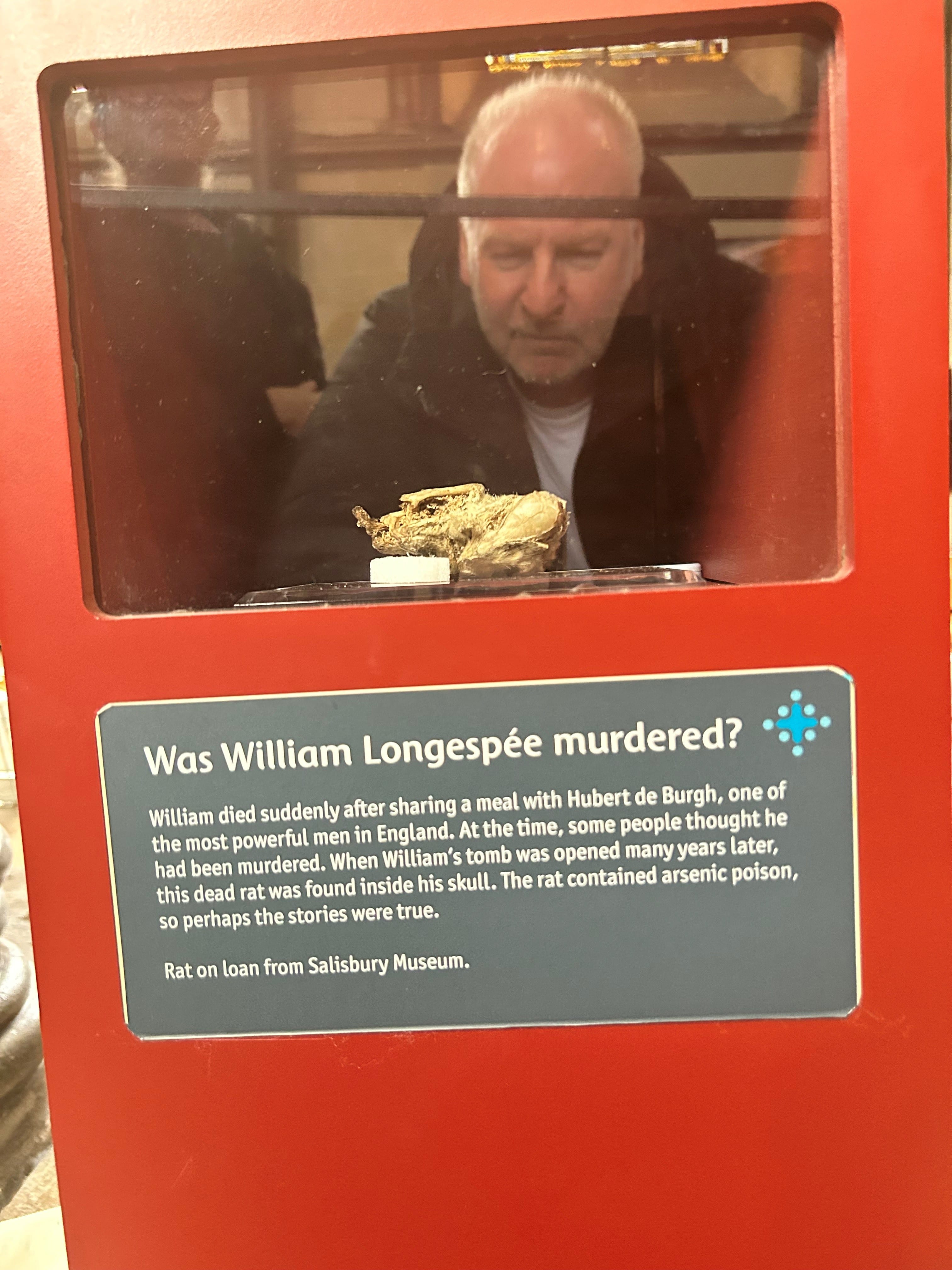
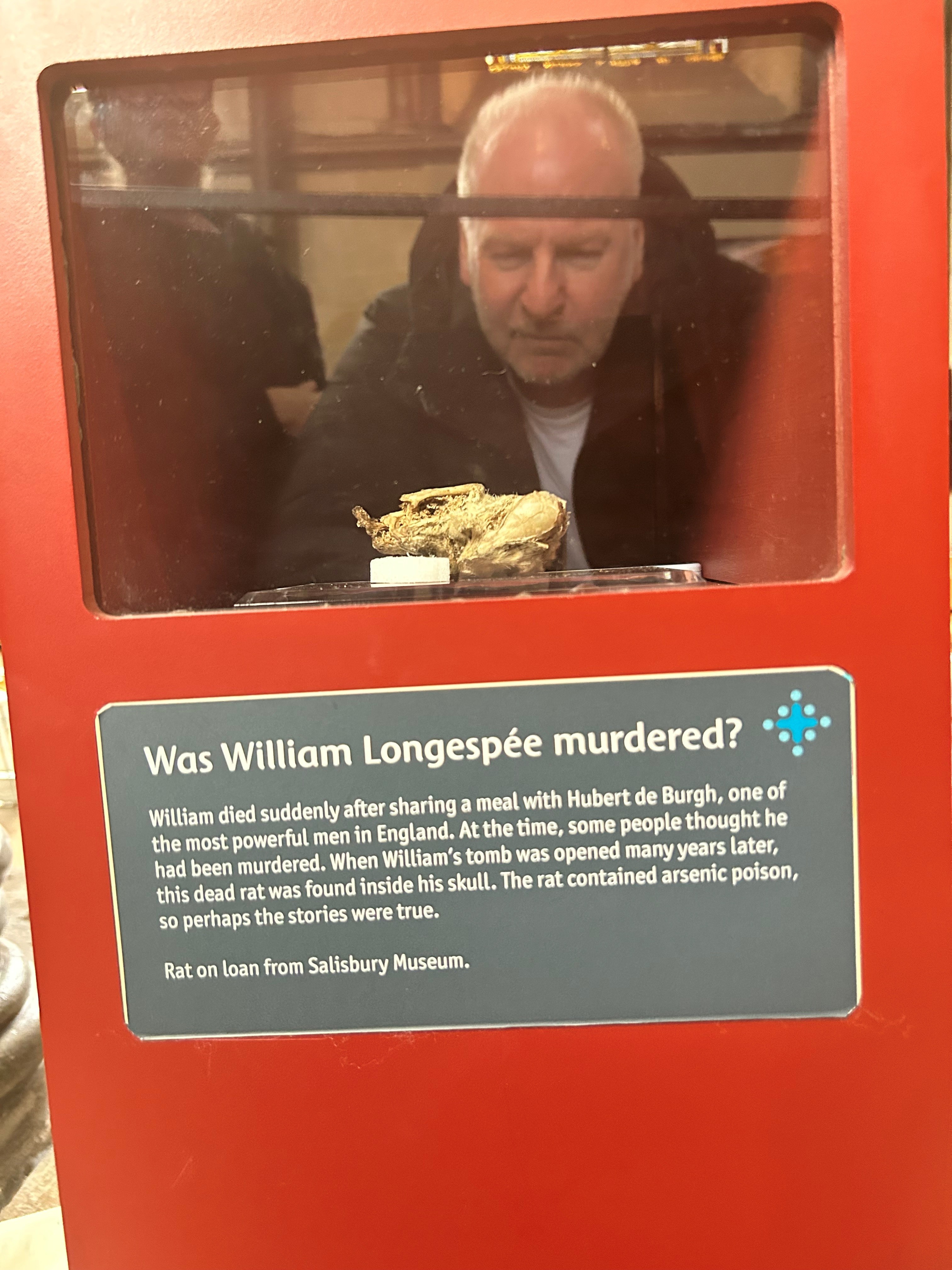
I found myself staring at a mummified rat inside a glass case at Salisbury Cathedral last week.The question on the exhibit card was simple: Was William Longespée murdered?
William, the 3rd Earl of Salisbury and illegitimate son of King Henry II, died suddenly in 1226 — just days after sharing a meal with Hubert de Burgh, one of the most powerful and politically ruthless men in medieval England. At the time, people whispered poison. But time passed, the story settled, and William's death was quietly filed under "natural causes." Case closed.
Then, centuries later, they opened his tomb. Inside his skull: a mummified rat. Laboratory analysis confirmed it was saturated with arsenic.
Suddenly, "natural causes" didn't look quite so natural.
Historians still debate the truth. Medieval arsenic had many innocent uses — medicines, cosmetics, pest control — and the rat may simply have crawled in and died there of its own accord. The more prosaic explanation (dysentery after a military campaign) remains entirely plausible. The rat doesn't prove murder.
But it changes the question entirely. It forces you to ask: why did we stop looking?
This is precisely the mindset that drives forensic accounting.
When Envision Forensics is engaged on a business valuation, fraud investigation, or disputed financial matter, we almost always receive a version of the same opening narrative: "The numbers are straightforward. Revenue is stable. Nothing unusual here."
And sometimes that's true. But our job — like anyone genuinely interested in the truth — is not to accept the first story. It is to test it.
In William's case, the first forensic question is: who benefited? Who had means, motive, and opportunity? In business disputes, shareholder exits, and family law matters, the same question applies. Stated profits and actual cash flows frequently tell very different stories when you look at the underlying transactions rather than accepting the summary.
The rat was unexpected because no one had looked inside the skull. In financial investigations, the equivalent is the transaction no one thought to trace — the related-party payment buried in a footnote, the revenue recognised just before a valuation date, the liability that only appears when you reconstruct cash flows from bank statements rather than accepting the management accounts at face value.
The rat may have nothing to do with murder. In business, an unusual transaction often has a perfectly mundane explanation. The role of a forensic accountant is not to reach a conclusion and then find the evidence — it is to follow the evidence to wherever the conclusion actually lies. That discipline is what makes expert evidence defensible under cross-examination.
The dramatic "gotcha" moment is rare in both forensic history and forensic accounting. The truth usually emerges from methodical, unglamorous analysis — thousands of transactions reviewed, assumptions stress-tested, industry benchmarks applied, timelines carefully reconstructed. It is not exciting. It is rigorous. And rigour is what produces expert opinions that hold up in Court.
Whether you are buying a business, resolving a shareholder dispute, navigating a family law matter, or preparing a matter for litigation — the surface narrative is a starting point, not a conclusion.
A standard valuation accepts the numbers presented. A forensic valuation hunts for the rat.
If the financial picture in your matter doesn't quite add up — if the story is a little too tidy, or something feels off but you can't yet identify what — that is precisely the circumstance Envision Forensics exists to assist with.

A standard valuation accepts the numbers presented. We trace every transaction, test every assumption and build opinions that hold up in court.
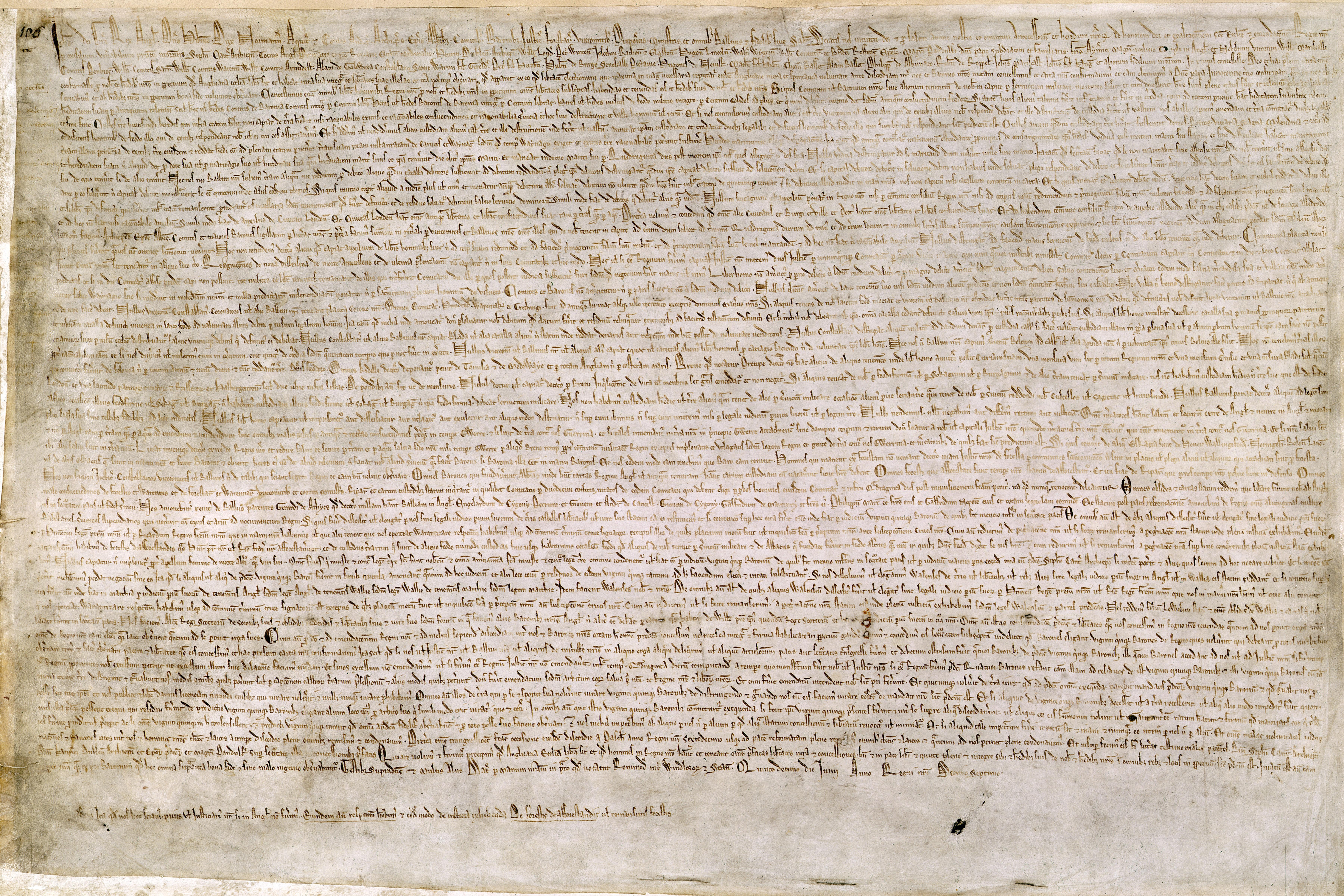
A forensic cautionary tale on the gap between law and power, and why we must keep asking questions.
A 13th century murder mystery and what it has to do with business valuations