When everything aligns, the truth appears
A standard valuation accepts the numbers presented. We trace every transaction, test every assumption and build opinions that hold up in court.
Read more

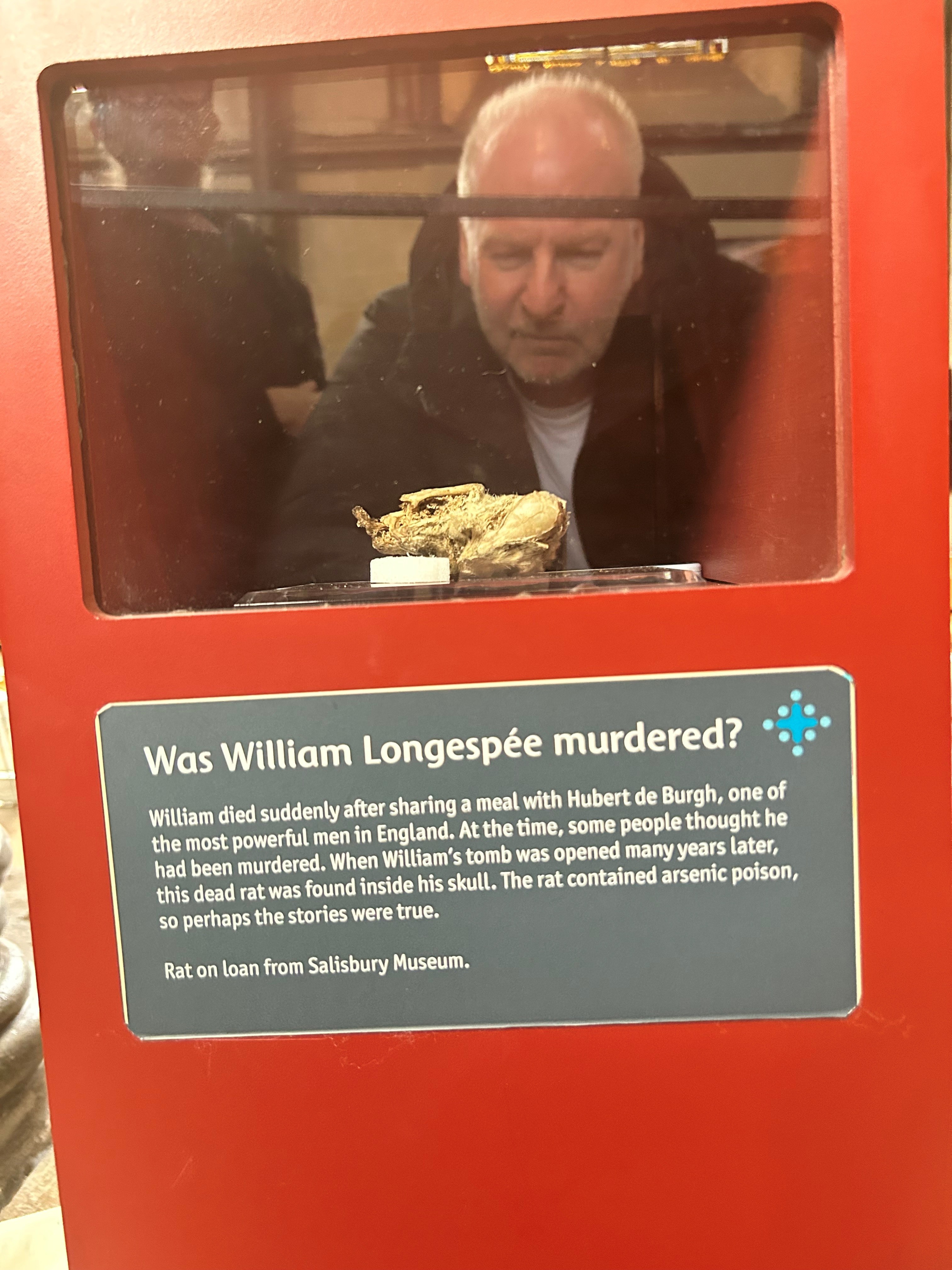
For those who read the rat in the skull of William Longespée - there is another rabbit hole. 🐇
The arsenic was the anomaly. But William Longespée left something else at Salisbury Cathedral, fifty metres from his tomb, that changes the story entirely.
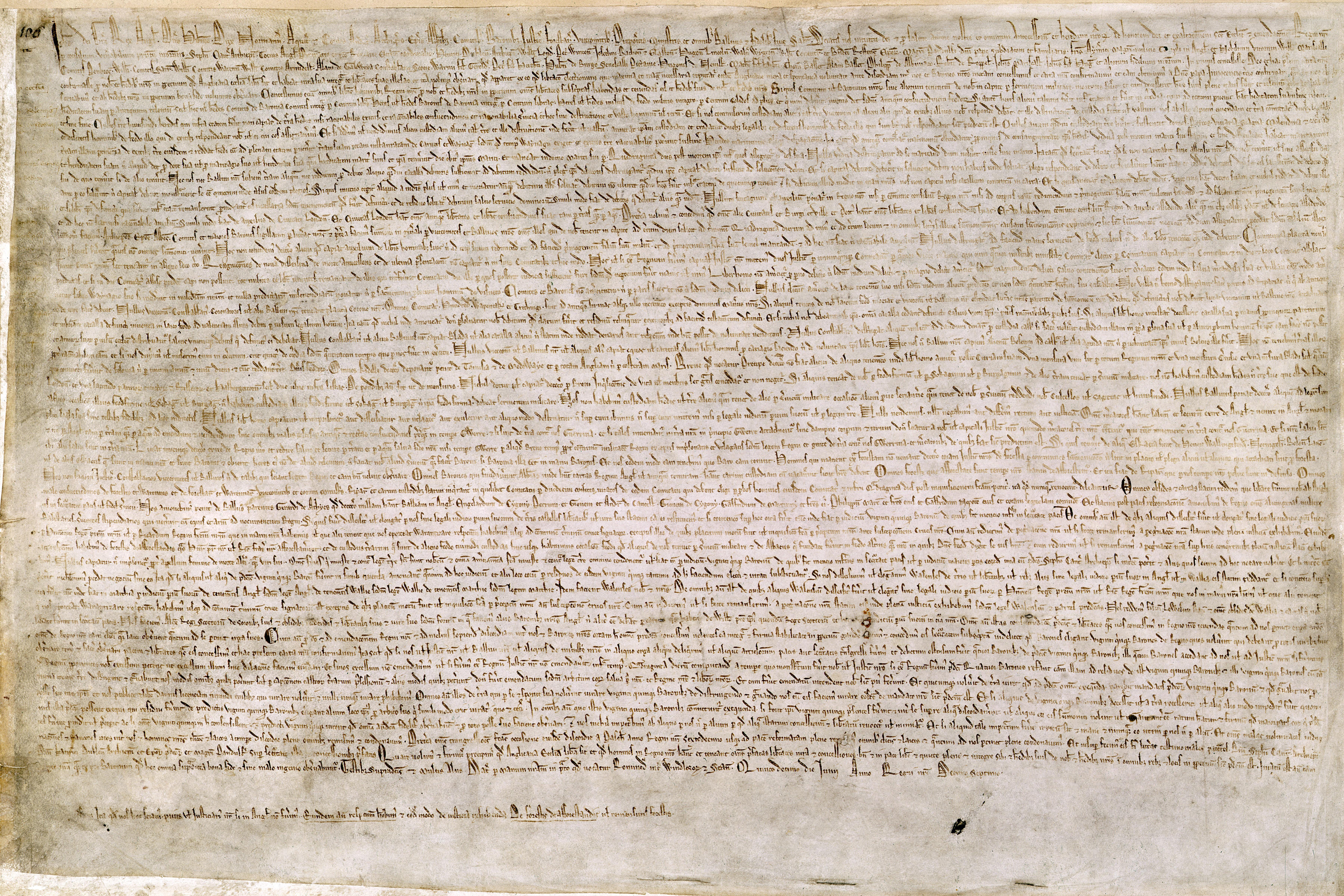
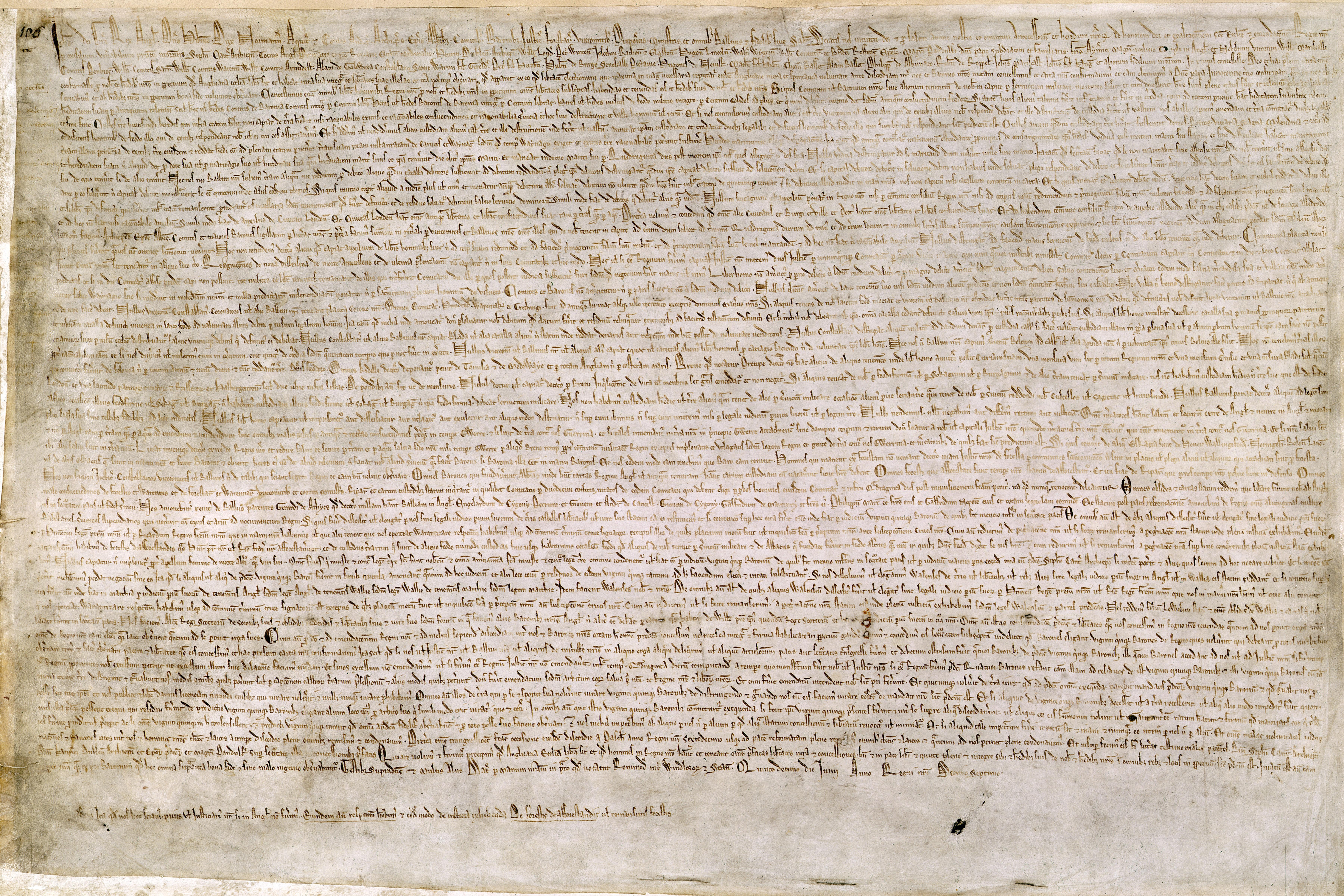
One of the four surviving original copies of Magna Carta.
Longespée was not merely buried there by coincidence. He was one of the surety barons at Runnymede in June 1215 — the men who pressed their seals into wax and compelled King John to accept that power must answer to process, and that no free man could be harmed except by lawful judgment of his peers.
Eleven years later, he was dead. Probably poisoned. The official verdict, which held for five centuries: natural causes.
The man who helped found the rule of law died beyond its reach.
That is not merely historical irony. For legal practitioners, it is the original cautionary note. The gap between what the law says and what power does is not a modern problem. It is the founding problem. Magna Carta did not end arbitrary conduct. It named it as a wrong and insisted the naming be written down, witnessed, and preserved.
That act — the proposition that truth established through evidence and process is more durable than truth established by assertion — is
the thread running from Runnymede through every courtroom operating today. It underpins disclosure obligations, rules of evidence, expert
witness requirements, and the entire architecture of forensic practice.
We still build cases the way Runnymede built that document: by requiring the powerful to answer to a record they cannot simply revise.
Longespée did not set out to build the foundation of Western legal tradition. He was a baron protecting his estates. But what he helped put into writing endured. The rat, and the five centuries it took to find it, prove the corollary: without someone willing to go back to the primary evidence and ask the question the settled record does not answer, even the most consequential principles remain theoretical.
The rat does not prove murder. Arsenic had innocent applications in the 13th century. But it proves, conclusively, that someone stopped
asking questions too soon.
In litigation, in forensic work, in any matter where a motivated party prefers the tidy version to the true one, that remains the most
important question a practitioner can ask.
Why did we stop looking?
The evidence waited five hundred years. It was found. The document that made finding it matter is fifty metres away.
A standard valuation accepts the numbers presented. We trace every transaction, test every assumption and build opinions that hold up in court.
A forensic cautionary tale on the gap between law and power, and why we must keep asking questions.
A 13th century murder mystery and what it has to do with business valuations