When everything aligns, the truth appears
A standard valuation accepts the numbers presented. We trace every transaction, test every assumption and build opinions that hold up in court.
Read more
Recent federal budget measures are set to shift how valuations are treated across a range of matters. For business owners, legal advisers and financial professionals, the implications are significant, and worth understanding before disputes arise.
For years, business valuations have largely been treated as a compliance exercise. Get a number, satisfy a requirement, move on.
That is changing.
With upcoming tax changes, valuations will increasingly underpin material tax positions. When that happens, the nature of the document changes too. A valuation prepared for compliance purposes looks different, and carries different risk, than one prepared to withstand challenge.
In short, valuations are becoming evidence, not just paperwork.
The instinct when commissioning a valuation is to ask: what is the value?
That is a reasonable starting point. But it is no longer the right question to lead with.
The question that now matters is whether the position can be defended. Not just internally, but under scrutiny from the ATO, a court, a tribunal, or an opposing expert.
A valuation can produce a figure that looks reasonable on its face, and still fail completely when challenged. In our experience, that failure rarely comes down to the number itself. It comes down to the reasoning behind it. The methodology, the assumptions, the supporting analysis, and the way conclusions are reached and documented.
Increased scrutiny over valuations used to support tax positions is already underway in some areas. As the budget changes take effect, that scrutiny is likely to broaden and intensify.
That means more ATO reviews, more disputes, more challenges, and more situations where the quality of the underlying valuation work becomes the central issue.
Businesses and their advisers that have relied on valuations prepared without that level of rigour may find themselves exposed.
Not all valuations carry the same level of risk, and not every matter requires the same depth of analysis. But where the valuation is material, where it underpins a significant tax position, or where it may be challenged, the standard of the work needs to reflect that.
That means clear methodology, documented reasoning, proportionate analysis, and conclusions that can be explained and defended, not just reported.
If you are working through a matter where valuation methodology is critical, or advising clients in that position, an early conversation about scope and approach can make a material difference to the outcome.
Our team works across business valuations, expert witness engagements, and complex dispute matters where financial positions need to stand up under scrutiny.
Discuss your matter with our team.
Envision Forensics & Business Valuations provides independent forensic accounting, expert witness and business valuation services for legal professionals, commercial parties and courts. Based in Brisbane and the Gold Coast, assisting clients Australia-wide.

A standard valuation accepts the numbers presented. We trace every transaction, test every assumption and build opinions that hold up in court.
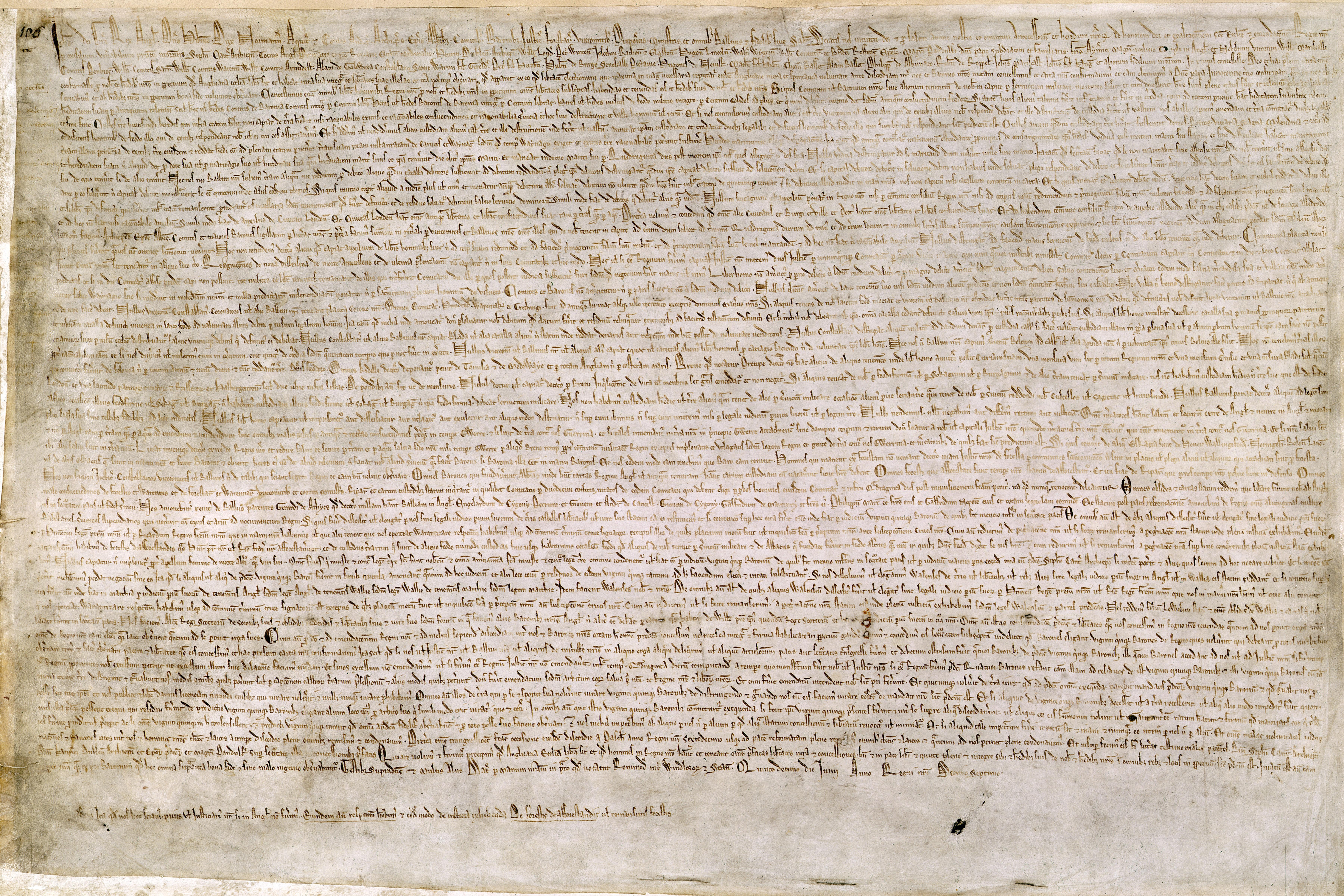
A forensic cautionary tale on the gap between law and power, and why we must keep asking questions.

A 13th century murder mystery and what it has to do with business valuations